
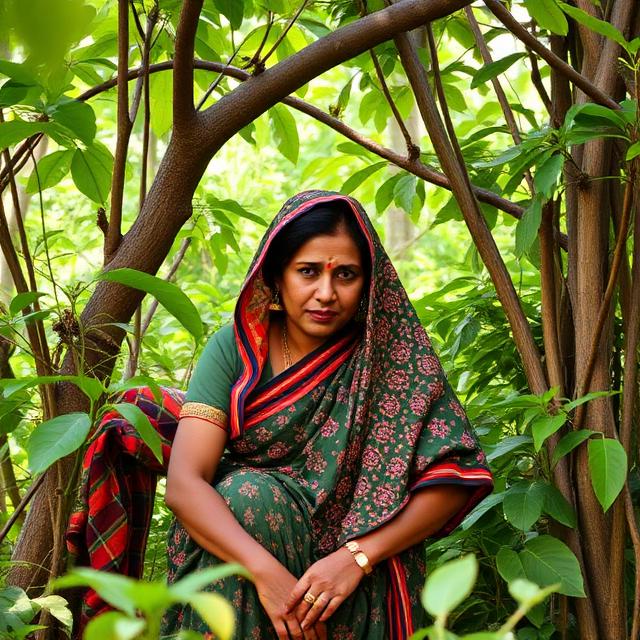
We often celebrate the green economy as the next frontier of growth, but here is a truth we rarely confront. If women are not part of it in equal measure, the transition will be incomplete and the promise of sustainability will ring hollow.
The conversation about what are green skills and how they shape the future of work cannot ignore half the population. Women and work are not side notes in this story. They are central to whether the green economy delivers on its full potential.
Green skills are becoming the new currency of work
The world is at a critical turning point. Industries are rethinking their operations to reduce emissions, governments are committing to ambitious climate goals, and companies are under pressure to adopt sustainable practices. This has led to a growing demand for green skills. These skills are not confined to engineers or technicians. They span everything from managing renewable energy systems and building sustainable cities to innovating in agriculture and designing circular business models.
For India, where the Future Right Skills Network (FRSN) has consistently highlighted the need for future-ready skills, the rise of green jobs is an opportunity to reshape the workforce. Yet this opportunity will only matter if it is inclusive. The green transition is not simply an economic necessity. It is also a social contract, one that asks whether women will have equal access to the jobs, careers, and leadership roles it creates.
Put women at the heart of the green transition
Women’s participation in India’s workforce remains among the lowest in the world. Many are concentrated in informal or low-paid sectors with limited prospects for career advancement. If these patterns are repeated in the green economy, we will carry old inequities into new industries. That would undermine both progress on gender equality and the ambition of building a just transition.
On the other hand, when women gain access to green skills, the impact is transformative. Evidence from renewable energy enterprises shows that women bring strong community linkages, improve adoption rates of sustainable solutions, and contribute to innovation in service delivery. Their participation is not just good for equity. It makes business and environmental sense.
Turn training institutions into aspirational spaces
At FRSN, the focus is on creating an enabling ecosystem where women are not left behind in the shift to a green economy. Training institutes must evolve into aspirational spaces where women can see real career pathways. This means safe learning environments, tailored mentoring, and visible female role models.
The Ministry of Skill Development and Entrepreneurship has a pivotal role to play in mainstreaming green curricula across the skilling ecosystem, ensuring inclusivity from the start rather than as an afterthought.
Let their voices shape policy.
Systemic change must be evidence-led, but it must also be grounded in lived experiences. Women learners, trainers, and entrepreneurs hold insights that can reshape strategies from the bottom up. At FRSN, amplifying these voices is central to our work.
Through the K&I Community, we create spaces for peer learning and joint advocacy where inclusion becomes a shared responsibility, not a side initiative.
Industry must build real pathways, not token placements
The promise of the green economy depends on strong collaboration between training providers and industries. Employers must go beyond hiring small numbers of women as a symbolic gesture. They need to co-create curricula, offer apprenticeships, and guarantee meaningful career pathways.
Whether in clean energy, construction, or sustainable manufacturing, women should be seen not as exceptions but as a vital part of the talent pipeline. FRSN works with industry partners to ensure that future-ready skills align with labour market demand and that women are placed where they can thrive.
Break barriers that keep women out of green jobs
Equipping women with green skills is only one piece of the puzzle. Barriers such as limited mobility, lack of affordable childcare, and restrictive perceptions about what work is “appropriate” for women still stand in the way. Trainer capacity is another challenge, as instructors themselves need upskilling to teach new curricula.
These hurdles cannot be solved by isolated projects. They require coordinated action from government, industry, civil society, and funders. The task is not only to prepare women for green jobs but also to prepare the system to welcome them fully.
A green future cannot be built without women
The role of women in the green economy is not a niche concern. It is central to whether India can deliver on its climate commitments, unlock the potential of its workforce, and build an inclusive economy. Ensuring women have access to green skills is about more than representation. It is about resilience, innovation, and equity.
The Future Right Skills Network continues to advocate for a skilling ecosystem that equips women with competencies for sustainable industries, transforms institutions, and amplifies voices from the ground.
The future of work will be defined by how we align growth with sustainability. But its success will rest on whether women are equal partners in shaping it.
