
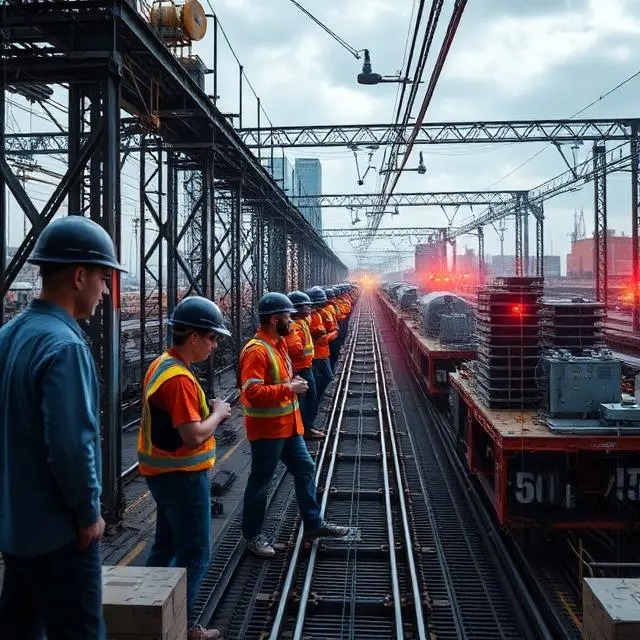
There is a quiet contradiction shaping India’s vocational education landscape today. On one hand, employers say they cannot find enough skilled workers. On the other hand, millions of young people complete training every year without feeling confident about their future. When two truths collide so sharply, it is a sign that the system is ready for a deeper shift. This is the moment where the new ITI transformation becomes more than an upgrade plan. It becomes a national strategy to align talent with the real demands of the future.
The ITI upgradation scheme is at the centre of this shift. It is not simply about repairing buildings or introducing new machinery. Its purpose is to rethink how vocational institutions operate, how trainers teach, how students learn and how future skills flow into classrooms that once reflected an industrial era. The goal is clear. India needs a workforce that can thrive in a world shaped by automation, digital systems, green transitions and new forms of production.
Why ITI transformation matters now
Several forces are converging to make ITI reform urgent. The nature of work is changing quickly. Traditional manufacturing roles are evolving into advanced manufacturing roles. Routine tasks are being automated across sectors. New opportunities are emerging in renewable energy, electric mobility, smart maintenance, robotics and digital services.
These shifts create both risk and opportunity. They risk leaving young people behind if training remains outdated. They create opportunity when institutions have the ability to anticipate industry needs and prepare learners accordingly.
This is why the new ITI transformation is designed to equip institutions with the capability to deliver training that reflects how industries actually operate today. It ensures that India’s youth gain technical depth, digital familiarity and the confidence to work with modern systems.
Modernising institutions through the ITI upgradation scheme
The upgradation scheme focuses on strengthening ITIs through three core pillars that work together to create long-term impact.
First is curriculum relevance. Courses need to reflect current industry practice, not outdated manuals. Modernised ITIs are increasingly aligning content with evolving job roles and introducing future skills like basic robotics literacy, energy efficiency practices, digital diagnostics and workplace communication.
Second is infrastructure capability. Skills cannot be learned without practice. Institutions participating in transformation efforts are improving workshops, adding digital tools, using simulators and enabling more hands-on learning during training hours.
Third is institutional strengthening. ITIs perform best when they operate with strong leadership, structured governance, industry partnerships and a culture of continuous improvement. Many states are now prioritising capacity building for principals, trainers and staff to ensure that transformation is both effective and sustainable.
The role of trainers as catalysts for change
A modern ITI is only as strong as its trainers. Technology can amplify learning but human expertise guides it. Trainers who understand emerging technologies and modern workflows help students build the confidence that employers value.
The transformation process includes extensive trainer development. This ranges from exposure to industry environments to structured pedagogy sessions, digital tool training and peer learning communities. Trainers who experience modern work cultures bring that mindset into their classrooms. This change ripples outward because students begin to model the same curiosity, discipline and professionalism.
How the Future Right Skills Network strengthens reform
The Future Right Skills Network plays a critical role in supporting ITI transformation by acting as an ecosystem enabler. Instead of delivering training directly, the network focuses on system-level change. It supports institutions, strengthens governance, builds data-driven practices and fosters collaboration between ITIs and industry partners.
This approach helps institutions adopt future skills more confidently. It also ensures that innovation is not confined to individual pilots. When institutions across regions learn from each other, participate in communities of practice and engage in joint problem solving, transformation becomes scalable and sustainable.
FRSN’s focus on peer learning and evidence-based improvement has helped many ITIs embed practical, industry-aligned training models that reflect the realities of modern work. This reinforces the broader national goal of preparing India’s workforce for emerging economic opportunities.
Future skills as a foundation for workforce readiness
Future skills are no longer optional. They are the foundation of employability. They include digital literacy, problem solving, systems thinking, environmental awareness and the ability to work with new technologies. These capabilities help individuals adapt to changing industries, navigate unfamiliar tasks and learn new tools quickly.
By integrating future skills into workshops and labs, the upgradation scheme ensures that trainees gain both technical competence and broader workplace readiness. This combination is what employers seek in a rapidly evolving job market.
How transformation prepares India for the next decade
The long-term impact of ITI transformation extends far beyond immediate job placement. It strengthens India’s position in global supply chains, supports economic resilience and ensures that young people are prepared for the jobs that will shape the next decade.
Employers benefit because they gain access to a more capable talent pool. Students benefit because their training positions them for meaningful careers instead of uncertain employment. Communities benefit because strong vocational institutions contribute to local development and industry growth.
The ITI upgradation scheme, combined with the efforts of networks like FRSN, is therefore not just a policy initiative. It is a blueprint for building a workforce that is confident, future ready and aligned with the opportunities emerging across India’s economic landscape.
